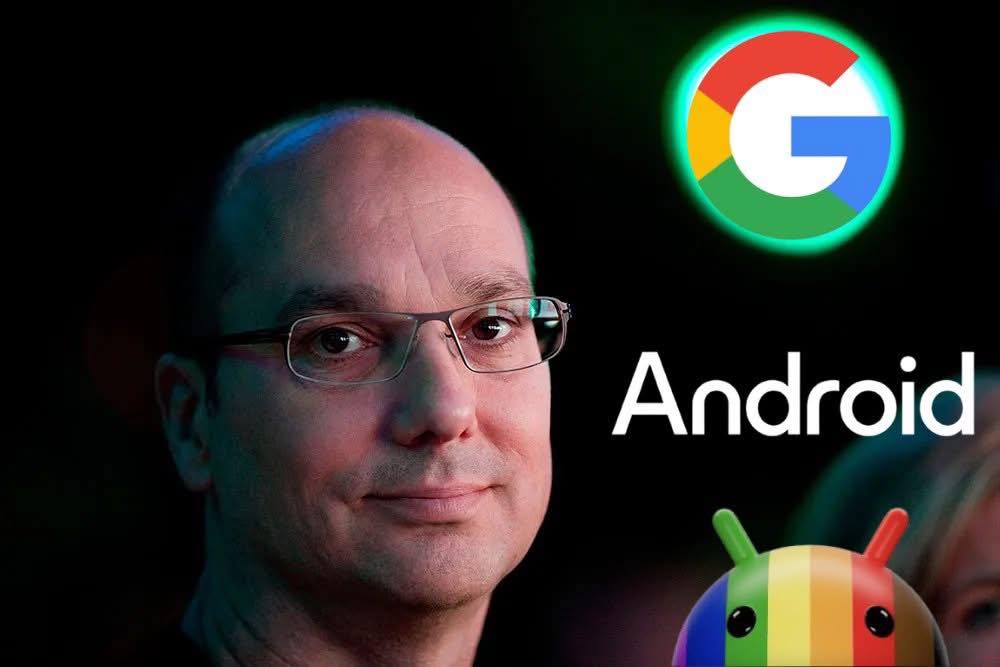
How Google Mistakenly Created the best device in the world
In 2005, Google paid $50 million to acquire Android Inc., a struggling startup with no revenue, no products, and just four founders with a wild idea. Critics called it the “dumbest acquisition in tech history.”
Today, that “dumb decision” is worth over $500 billion—and it’s the reason you’re holding a powerful, affordable smartphone that isn’t an iPhone.
🤖 The Vision: Buying the Future, Not Just Software
At the time, the mobile industry was tightly locked down:
Nokia controlled its proprietary software
Microsoft charged licensing fees for Windows Mobile
BlackBerry kept everything in-house
The idea of giving away a free, open-source mobile operating system sounded insane. But Google saw what others missed: mobile phones were about to become the primary gateway to the internet. And if they controlled the mobile OS, Google Search would become unavoidable.
They weren’t just buying software. They were buying the future of computing.
🔓 The Open-Source Masterstroke
Instead of locking Android down, Google did something radical: they kept it open-source.
They gave manufacturers complete freedom to:
Customize the interface
Add proprietary features
Ship devices without paying licensing fees
This wasn’t generosity. It was strategy. By removing the barrier to entry, companies like Samsung, HTC, LG, and Huawei could finally compete with Apple without building an OS from scratch.
📱 The Revolution Begins
In 2008, the HTC Dream (T-Mobile G1) launched as the first Android phone. It wasn’t pretty. It wasn’t perfectly smooth. But it sparked a revolution.
Within a decade, Android powered over 70% of all smartphones worldwide. Meanwhile, once-dominant players like BlackBerry, Nokia, and Microsoft’s mobile division faded into obscurity. Why? Because consumers and manufacturers overwhelmingly preferred a free, customizable platform that didn’t trap them in a walled garden.
💰 How Google Actually Makes Money from a “Free” OS
Here’s the genius part: Google doesn’t make money directly from Android.
Instead, they monetize the entire ecosystem:
📲 Play Store commissions (30% on apps, in-app purchases, subscriptions)
🔍 Google Search dominance (default browser/home screen placement)
📊 Targeted digital advertising (AdMob, Google Ads)
🌐 User data & cloud services (Gmail, Drive, Maps, YouTube)
The platform is free. The ecosystem is priceless.
🎯 The Lesson for Builders & Investors
Google’s Android acquisition teaches a timeless truth:
The biggest opportunities often look like the riskiest bets.
Their success wasn’t about what Android was in 2005. It was about what it could become. And sometimes, giving away value is the most powerful way to capture it.
Today, that “dumb decision” is worth over $500 billion—and it’s the reason you’re holding a powerful, affordable smartphone that isn’t an iPhone.
🤖 The Vision: Buying the Future, Not Just Software
At the time, the mobile industry was tightly locked down:
Nokia controlled its proprietary software
Microsoft charged licensing fees for Windows Mobile
BlackBerry kept everything in-house
The idea of giving away a free, open-source mobile operating system sounded insane. But Google saw what others missed: mobile phones were about to become the primary gateway to the internet. And if they controlled the mobile OS, Google Search would become unavoidable.
They weren’t just buying software. They were buying the future of computing.
🔓 The Open-Source Masterstroke
Instead of locking Android down, Google did something radical: they kept it open-source.
They gave manufacturers complete freedom to:
Customize the interface
Add proprietary features
Ship devices without paying licensing fees
This wasn’t generosity. It was strategy. By removing the barrier to entry, companies like Samsung, HTC, LG, and Huawei could finally compete with Apple without building an OS from scratch.
📱 The Revolution Begins
In 2008, the HTC Dream (T-Mobile G1) launched as the first Android phone. It wasn’t pretty. It wasn’t perfectly smooth. But it sparked a revolution.
Within a decade, Android powered over 70% of all smartphones worldwide. Meanwhile, once-dominant players like BlackBerry, Nokia, and Microsoft’s mobile division faded into obscurity. Why? Because consumers and manufacturers overwhelmingly preferred a free, customizable platform that didn’t trap them in a walled garden.
💰 How Google Actually Makes Money from a “Free” OS
Here’s the genius part: Google doesn’t make money directly from Android.
Instead, they monetize the entire ecosystem:
📲 Play Store commissions (30% on apps, in-app purchases, subscriptions)
🔍 Google Search dominance (default browser/home screen placement)
📊 Targeted digital advertising (AdMob, Google Ads)
🌐 User data & cloud services (Gmail, Drive, Maps, YouTube)
The platform is free. The ecosystem is priceless.
🎯 The Lesson for Builders & Investors
Google’s Android acquisition teaches a timeless truth:
The biggest opportunities often look like the riskiest bets.
Their success wasn’t about what Android was in 2005. It was about what it could become. And sometimes, giving away value is the most powerful way to capture it.